

Pratyush Nath Upreti
Queen’s University Belfast

Wednesday, March 25, 2026
from 13.00 to 14.00

Campus Luigi Einaudi, Lungo Dora Siena, 100
Aula H1, Edificio D4 (2nd floor)

Virtual classroom: https://didattica.polito.it/VClass/NexaEvent
Artificial intelligence (AI) has emerged as a transformative force, reshaping and disrupting a wide range of sectors. It now occupies the centre of countries’ industrial strategies, playing a critical role in driving innovation, improving competitiveness, and creating opportunities for economic growth.
As AI continues to evolve – particularly with the emergence of generative AI, it raises complex legal questions, especially in relation to intellectual property (IP).
Beyond these legal and regulatory concerns, broader critiques have emerged questioning the political economy and epistemological foundations of AI itself. While scholarship on regulating AI is growing, limited attention has been given to how the one-sided shaping of AI norms can reinforce imperialism and deepen inequalities in the Global South.
The talk reflects the political economy of AI governance with reference to IP and its impact on the global south.
Biography
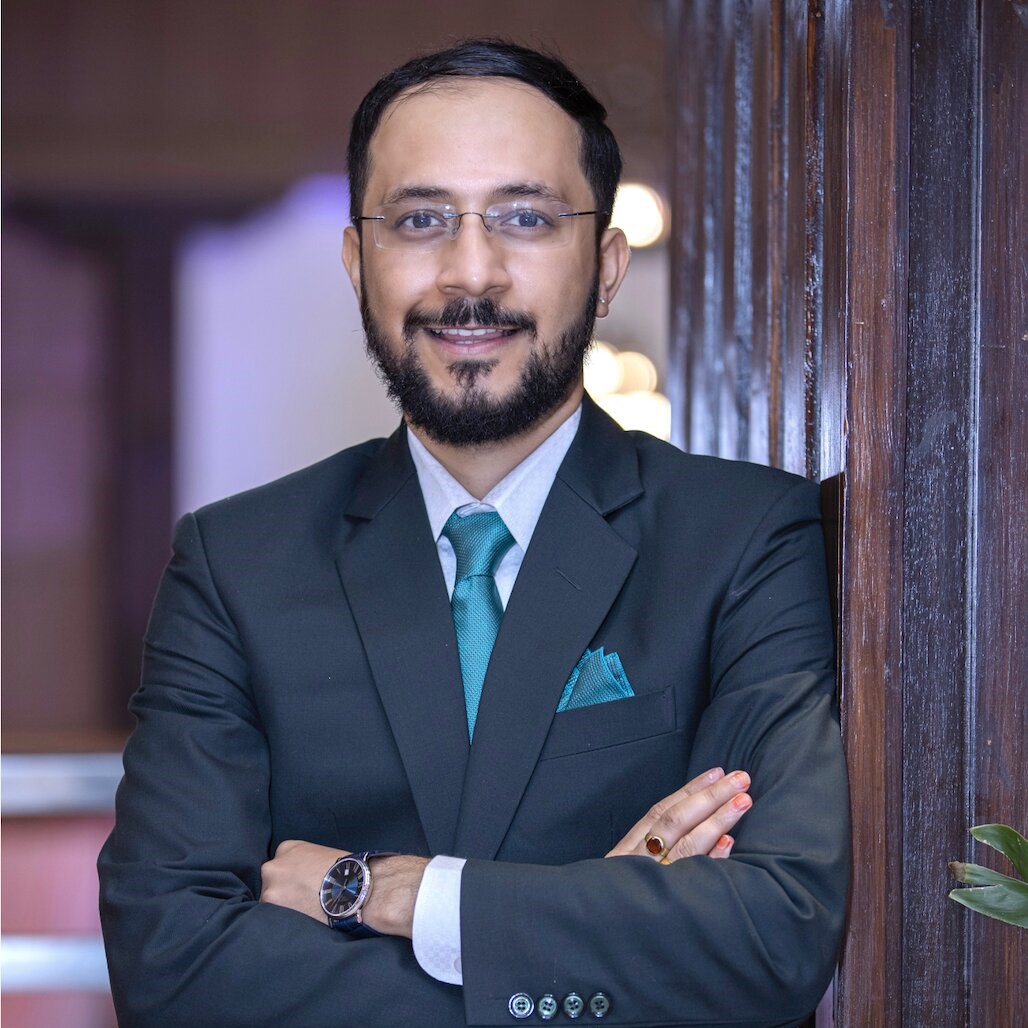
Dr PRATYUSH NATH UPRETI is a Reader in Law at Queen’s University Belfast, United Kingdom, and an expert in international intellectual property law. His research examines the intersection of intellectual property, international trade, and investment law, exploring how global IP rules shape innovation, development, and governance in global south. He has held academic and visiting appointments at the University of Helsinki, the Max Planck Institute for Innovation and Competition (Munich), the University of Antwerp, the National University of Singapore, and National Law University Delhi, among others, and was a Fellow at Stanford Law School’s Transatlantic Technology Law Forum. Before entering academia, he practised law in Nepal and, more recently, served as an expert for the United Nations Conference on Trade and Development (UNCTAD) and the World Health Organisation. He has published in three books and several articles in leading international journals, and his research has received academic recognition and awards, most recently from the Royal Asiatic Society of Great Britain and Ireland.