
PAUL EDWARDS
Stanford University and University of Michigan

Thursday, 7 May 2026
at 16.00

Conference Room “Luigi Ciminiera”
DAUIN – Politecnico di Torino (5th floor)
Corso Castelfidardo 34/D (MAP)

Virtual classroom: https://didattica.polito.it/VClass/NexaEvent
Thirty years ago, The Closed World (Edwards, 1996) sketched the influence of Cold War US military strategy and funding on the history of computing, including artificial intelligence (AI). A major attempt to integrate AI into weapons systems fizzled during the 1980s, but also set directions for systems now in use and others that are coming.
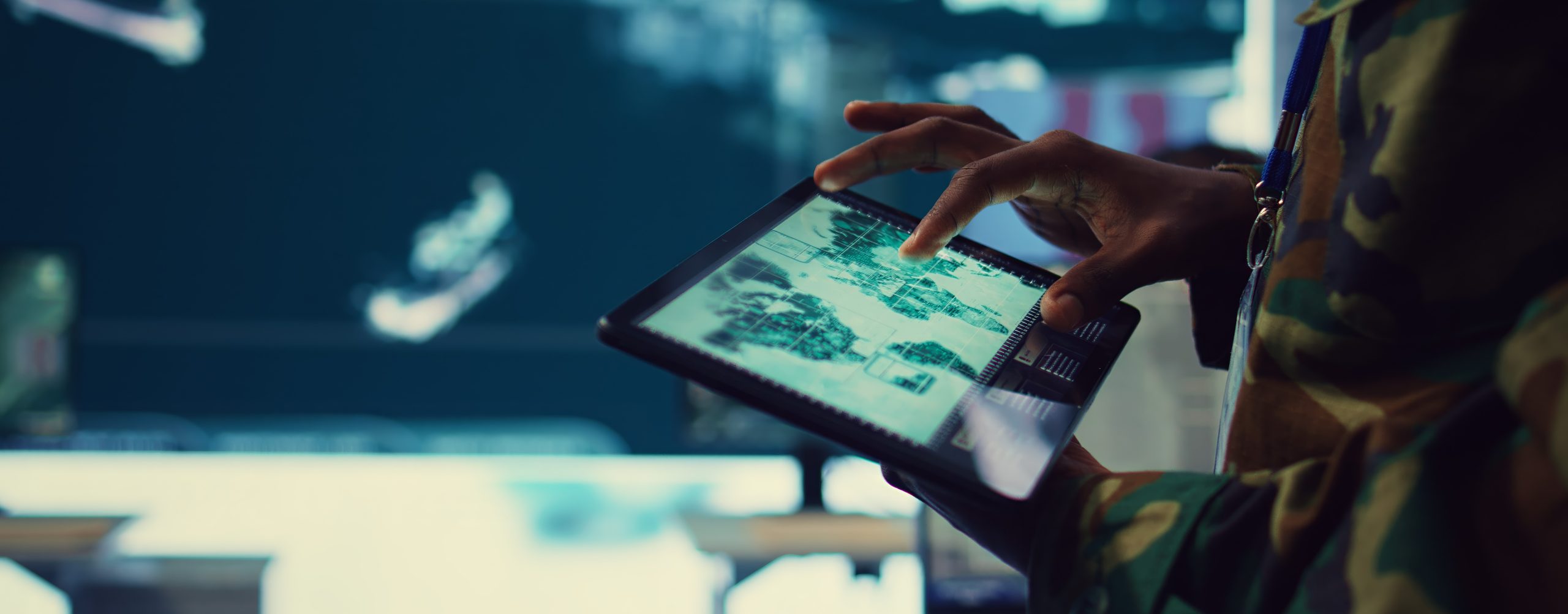
This talk will briefly review The Closed World’s central argument before considering whether and how it may apply to the 21st century successes and failures of military AI, driven by the ever-increasing speed and stealth of modern weapons systems and their corollary, ever-shrinking decision times. Private-sector actors now market AI tools to the US, NATO, and other military forces. Major issues of accuracy, data quality, confidence, and human judgment affect AI-assisted weapons, tactics, and strategy.
What roles has AI played in recent conflicts involving the USA? Will the coming decade tighten the grip of globe-encompassing American military power, or bring it to an end?
Biography

Paul N. Edwards is Emeritus Director of the Program on Science, Technology & Society at Stanford University and Professor of Information and History (Emeritus) at the University of Michigan. He writes and teaches about the history, politics, and culture of information infrastructures. Edwards is the author of A Vast Machine: Computer Models, Climate Data, and the Politics of Global Warming (MIT Press, 2010) and The Closed World: Computers and the Politics of Discourse in Cold War America (MIT Press, 1996), and co-editor of Changing the Atmosphere: Expert Knowledge and Environmental Governance (MIT Press, 2001), as well as numerous articles. With Janet Vertesi, he co-edits the Infrastructures book series for MIT Press. Edwards now lives in Marseille, France.
Recommended readings
- Edwards, P. N. (1996). The Closed World: Computers and the Politics of Discourse in Cold War America, Cambridge, MA: MIT Press | LINK
For this talk, the Preface and Chapters 1, 8, and 9 will be most relevant.
On The Closed World:
- Rosenzweig, R. (1998). Wizards, Bureaucrats, Warriors & Hackers: Writing the History of the Internet. Roy Rosenzweig Center for History and New Media | LINK
On recent military AI:
- Goldfarb, A.; Lindsay J. R. (2022). Prediction and Judgment: Why Artificial Intelligence Increases the Importance of Humans in War. International Security 46(3): 7–50 | LINK
- Lindsay, J. R. (2026). 27 Years Later, Still Bombing the Wrong Targets, Dolos | LINK
- Baker, K. T. (2026). AI Got the Blame for the Iran School Bombing. The Truth Is Far More Worrying, The Guardian | LINK
- Suchman, L. (2025). Injurious Orders and the Question of Data. In Tecnoscienza: Italian Journal of Science and Technology Studies, 16(1), 87-107. | LINK
- Silverman, J. (2026). Keyboard Warriors: Alex Karp, Palantirianism, and the Tech Industry’s Embrace of Total War. Business Insider | LINK
Slides
Download Paul Edwards’ presentation in PDF.